Spray Foam Insulation
Spray foam delivers the highest R-value per inch and seals air at the same time - a strong choice for hard-to-reach retrofit areas.
Learn more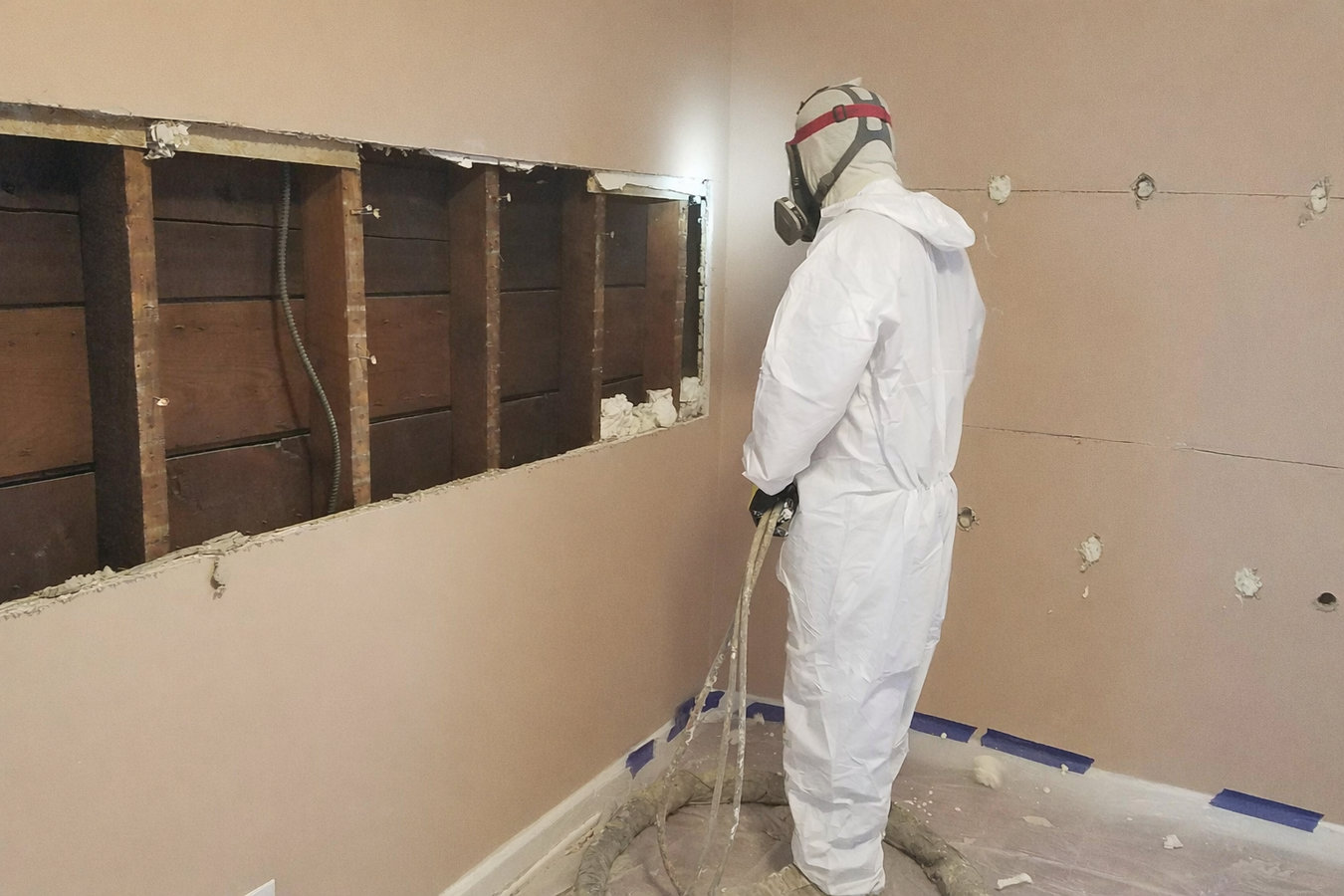
Most Grand Island homes were built before modern insulation standards existed. Retrofit insulation fills the gaps in your attic, walls, and crawl spaces without tearing anything out - so your home finally holds its temperature through a Nebraska winter.
Retrofit insulation in Grand Island means adding insulation to a home that is already built - without tearing out walls or doing a major renovation - most attic jobs are completed in a single day and wall insulation typically takes two to three days. Contractors work with what is already there, filling gaps in attics, walls, and crawl spaces using methods that cause minimal disruption. For walls, small holes roughly the size of a golf ball are drilled, loose insulation is blown in to fill the cavity, and the holes are patched before the crew leaves. Most homeowners are surprised by how little mess is involved.
A large share of Grand Island homes were built in the 1950s through 1970s, an era when insulation was thin, inconsistent, or sometimes absent entirely from wall cavities. If your home was built before about 1980, there is a reasonable chance your walls have little to no insulation and your attic falls well short of today's recommendations. Retrofit insulation exists precisely to fix that without requiring a renovation. Many homeowners also pair this work with spray foam insulation in hard-to-reach areas where blown-in material is difficult to apply evenly.
For homeowners who want a full assessment of every area of the house, our home insulation service covers the attic, walls, basement, and crawl space in a single coordinated project.
If your utility bills have gone up noticeably over the past few winters without any change in your habits, poor insulation is one of the most common culprits. Grand Island's long heating season means even a modest improvement in insulation can show up clearly on your gas bill. If your bills feel out of step with what neighbors in similar-sized homes are paying, that is worth investigating.
When one room is always freezing in January or sweltering in July no matter how long the furnace or air conditioner runs, it usually points to a specific insulation gap in that area - a wall cavity, a floor over a crawl space, or a ceiling below an uninsulated attic space. This is especially common in older Grand Island homes where insulation was installed unevenly or not at all in certain sections.
Grand Island's persistent winds make air infiltration easy to detect. On a cold, windy day, hold your hand near an electrical outlet on an exterior wall - if you feel a draft, cold air is finding its way through gaps that insulation and air sealing would close. This is one of the clearest signs that your home's exterior walls are not properly insulated or sealed.
Thick ridges of ice building up along the edge of your roof during or after a winter storm are a sign that heat is escaping through your attic and melting snow unevenly. The melted water refreezes at the cold roof edge, creating an ice dam that can back up under shingles and cause water damage. In Grand Island's winters, ice dams are a reliable warning sign that your attic insulation needs attention.
We start every project with an in-home assessment to see what is already in your attic and walls before recommending a scope of work. For attic insulation, we measure existing depth, identify any air leaks that need to be sealed first, and then blow in material to reach the federally recommended level for Nebraska homes. For wall insulation, we drill small holes from either the interior or exterior - depending on what is least disruptive - fill each cavity, and patch the holes so you would not know we were there. We also address rim joists in the basement and floors over unheated crawl spaces, which are often the source of cold floors in the rooms above them. For homes that would benefit most from a spray-applied solution, we coordinate with our spray foam insulation service for areas where blown-in material is not the right fit.
Air sealing comes before insulation in our process - always. Sealing the gaps first and then adding insulation gives you a complete thermal envelope rather than insulation sitting over air leaks that continue to underperform. If your home needs a full-picture assessment that goes beyond insulation depth to include air movement, moisture, and ventilation, our home insulation service is the right starting point.
Best for homes under the R-49 to R-60 target, where adding depth to the attic floor is the fastest path to lower heating bills.
Best for pre-1980 Grand Island homes where wall cavities have little or no insulation.
Best for homes with cold floors and drafts along the basement perimeter.
Best for older homes that need attic, walls, and crawl space addressed in one coordinated project.
Grand Island sits in a climate zone where summer highs regularly reach the upper 90s and winter lows can drop well below zero - a swing of more than 100 degrees between seasons. That kind of range puts enormous stress on a home's thermal envelope, and insulation that is merely adequate will still leave you uncomfortable and paying high utility bills at both ends of the year. Nebraska's heating season runs roughly from October through April - about six to seven months of meaningful heating demand - which shortens the payback timeline for insulation improvements compared to milder climates. Homeowners in nearby Kearney and Hastings face the same conditions and the same need for properly insulated homes.
A significant share of Grand Island homes were built in the postwar decades when energy costs were low and insulation was an afterthought. Ranch-style homes from the 1950s and 1960s - the most common style in the city - often have minimal or no insulation in exterior wall cavities and attic levels far below today's recommendations. The Nebraska plains are also consistently windy, and wind-driven air infiltration pushes cold air through even small gaps, making air sealing before insulation more important here than in calmer climates. The U.S. Department of Energy and the North American Insulation Manufacturers Association both publish guidance on recommended levels for Nebraska homes.
When you reach out, we ask a few basic questions about your home's age and what problems you have noticed. We respond within 1 business day and schedule a time for someone to come out and take a look - usually within a few days.
A contractor walks through your home - including the attic, crawl spaces, and sometimes the basement - to see what insulation is already there and where the gaps are. The visit takes 30 to 60 minutes and requires no preparation from you.
After the assessment you receive a written estimate that breaks down the work to be done, the areas being covered, and the total cost - including whether air sealing is part of the scope. We do not pressure you to sign on the spot.
The crew arrives, sets up equipment, and completes the work - typically in one day for most homes. Before leaving, we walk you through the finished work and provide documentation of the materials used and coverage achieved, which you will need for any rebate or tax credit claims.
Free in-home assessment. No-pressure written estimate. We respond within 1 business day.
(308) 403-0467Federal recommendations call for R-49 to R-60 in Nebraska attics. We measure what is already there before quoting a depth, so you get exactly what your home needs - not just whatever is quick to install.
Insulation sitting over an unsealed gap underperforms. We seal penetrations before adding blown-in material, which is why our jobs produce real comfort improvements rather than just a thicker layer of material.
We work across central and eastern Nebraska, reaching homeowners in a 12-city service area. That means we understand the pre-1980 housing stock, the wind patterns, and the utility programs specific to this region.
We provide itemized invoices that separate material costs from labor - exactly what you need to claim the federal Inflation Reduction Act tax credit and any Nebraska Public Power District rebates. You should not have to chase your contractor for paperwork after the job is done.
We focus on the specific conditions that make retrofit insulation so valuable in central Nebraska - a cold climate, older housing stock, and persistent winds that make air sealing a non-negotiable part of the job. When we leave, your home is more comfortable, your documentation is ready for rebate and tax credit claims, and you know exactly what was done and why.
Spray foam delivers the highest R-value per inch and seals air at the same time - a strong choice for hard-to-reach retrofit areas.
Learn moreA full-home insulation assessment covering every area of the house, from attic to crawl space, in a single coordinated project.
Learn moreLock in your installation date before the heating season fills the schedule. Call us or request a free estimate online today.