Blown-In Insulation
Loose-fill insulation that fills every corner of your attic floor evenly - a common and cost-effective method for adding coverage to existing homes.
Learn more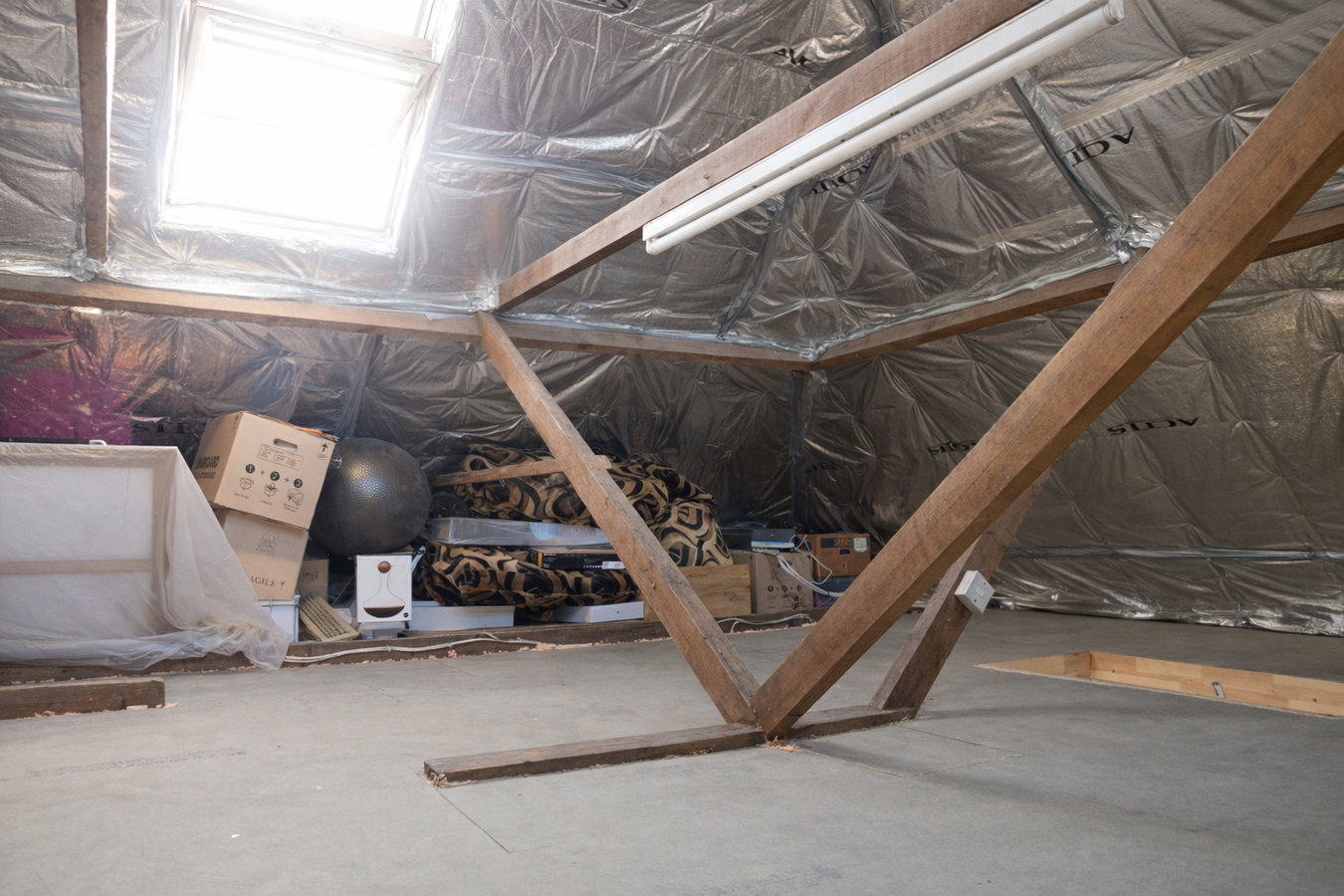
Your attic is where most homes lose the most heat. Proper attic insulation keeps your home warm through Nebraska winters, cooler in summer, and saves you money every month your HVAC runs.
Attic insulation in Grand Island, NE slows heat from escaping through your roof in winter and from baking down through your ceilings in summer - most attic jobs are completed in a single day, often in just a few hours. Without enough of it, your furnace and air conditioner work far harder than they need to, and you pay for that every single month.
Grand Island has a large share of homes built in the 1950s through 1970s. Many of those homes were insulated to standards that are now considered inadequate for Nebraska winters - and insulation that was thin to begin with has had decades to compress and lose effectiveness. If your home is in that age range and you have never had insulation work done, there is a real chance your attic is underperforming.
A complete attic upgrade often includes blown-in insulation over the existing material, paired with attic air sealing first. Air sealing the gaps before adding insulation is the step that makes the biggest difference - and the one most contractors skip.
If your gas or electric bill jumps sharply from October through February without any change in habits, your attic may be letting heat escape faster than your furnace can replace it. Grand Island winters are long and cold enough that even a modest insulation shortfall shows up on your utility statements every year.
When insulation is thin or uneven, the rooms closest to the attic - usually top-floor bedrooms - feel the difference first. If you are turning up the heat just to make the second floor comfortable in winter, or the upstairs feels like an oven in July no matter how long the AC runs, the attic is the likely cause.
If you can see the wooden boards running across your attic floor when you peek in with a flashlight, you almost certainly do not have enough insulation for Grand Island weather. Adequate coverage should bury those boards completely. This is a check any homeowner can do in under five minutes.
Ice dams are ridges of ice that form at the edge of a roof when heat escaping through a poorly insulated attic warms the deck and melts snow that then refreezes at the eaves. Grand Island winters have enough snow and cold to make this a real risk - and ice dams can push water under shingles and into your home.
Our attic insulation work starts with air sealing - filling gaps around pipes, wires, and recessed fixtures before any new insulation material goes in. This is the step most contractors skip, but it is what separates an attic that performs from one that just looks done. Once the attic floor is sealed, we install blown-in insulation to bring your home up to the coverage level Nebraska winters demand.
We work with both fiberglass attic insulation and blown-in cellulose depending on your existing conditions and what makes the most sense for your home. For homeowners who want the most complete solution, pairing attic insulation with blown-in insulation and attic air sealing in one appointment delivers the best results without multiple visits.
Lightweight, non-combustible, and effective for topping up existing attic insulation in most Grand Island homes.
Recycled material with good thermal performance - a solid option for attics with irregular framing or hard-to-reach areas.
Sealing gaps and penetrations before adding insulation - the step that makes the biggest difference in comfort and energy savings.
Insulating and weatherstripping the attic access panel - one of the most overlooked heat-loss points in older homes.
Grand Island sits in Climate Zone 5, one of the colder designations used by federal energy programs - which means homes here need more attic insulation than homes in milder states. Winters regularly push well below freezing, and summers hit the 90s. Your attic insulation works hard in both directions all year. The Great Plains wind compounds the challenge: cold air finds its way into homes through every small gap, and without air sealing, that wind-driven infiltration works against even a thick layer of new insulation.
We serve homeowners throughout the region, including Kearney and York where the same climate zone conditions demand the same level of attic coverage. If your home is in a smaller community within driving distance of Grand Island, give us a call.
We will ask about your home's age, whether you have had any insulation work done, and what has been prompting your concern. We respond within 1 business day and can usually schedule an on-site assessment within a few days.
We go up into your attic, measure what is already there, check for air leaks and moisture, and look for anything that needs attention before new insulation goes in. The assessment takes 30 to 60 minutes and is free. You get a written estimate before any work is agreed to.
Before any new insulation goes in, we seal gaps around pipes, wires, and fixtures. Then we run a hose from our machine up through the attic hatch and blow in new insulation evenly across the attic floor. Most standard Grand Island attics are done in two to four hours.
We confirm the depth of insulation installed and walk you through the finished attic. We give you written documentation of materials and coverage - which you may need for a federal tax credit or a utility rebate from your local provider.
We respond within 1 business day. The on-site assessment is free and takes under an hour. You will leave the conversation with a clear written estimate and a specific recommendation for your home - no guesswork.
(308) 403-0467We come to your home, go up into the attic, and give you a written estimate at no cost - before you commit to anything. There is no pressure and no fee for the visit.
Most contractors blow in insulation and leave. We seal gaps around pipes, wires, and fixtures first - the step that makes insulation actually perform. Skipping it is one of the most common reasons attic insulation fails to deliver the savings it should.
We are based in Grand Island - not a franchise crew driving in from out of state. Our team knows how homes here are built and what they need to hold up through Nebraska winters.
We provide written documentation of the materials installed and the coverage depth on every job. As of 2025, homeowners may qualify for a 30 percent federal tax credit on insulation materials up to $1,200 per year - and your local utility may offer rebates on top of that.
We know what Grand Island homes actually look like inside - the compressed fiberglass in 1960s ranch homes, the open bypasses around old chimney chases, the attic hatches that have never been weatherstripped. When you call us, you get a straight assessment and a written quote, not a sales pitch. The ENERGY STAR Seal and Insulate program has long identified the attic as the highest-impact area to address - and we approach every attic job with that in mind.
Loose-fill insulation that fills every corner of your attic floor evenly - a common and cost-effective method for adding coverage to existing homes.
Learn moreSealing gaps around pipes, wires, and fixtures before insulation goes in - the step that makes attic insulation perform the way it should.
Learn moreEvery Nebraska winter your attic goes unaddressed costs you real money in heating bills. Contact us now and find out exactly what your attic needs.