
Vapor Barrier Installation
Full vapor barrier installation for crawl spaces and basement floors - protecting every below-grade surface in your home.
Learn moreGround moisture rising into your crawl space causes musty odors, soft floors, and higher energy bills. A properly installed vapor barrier stops it at the source.
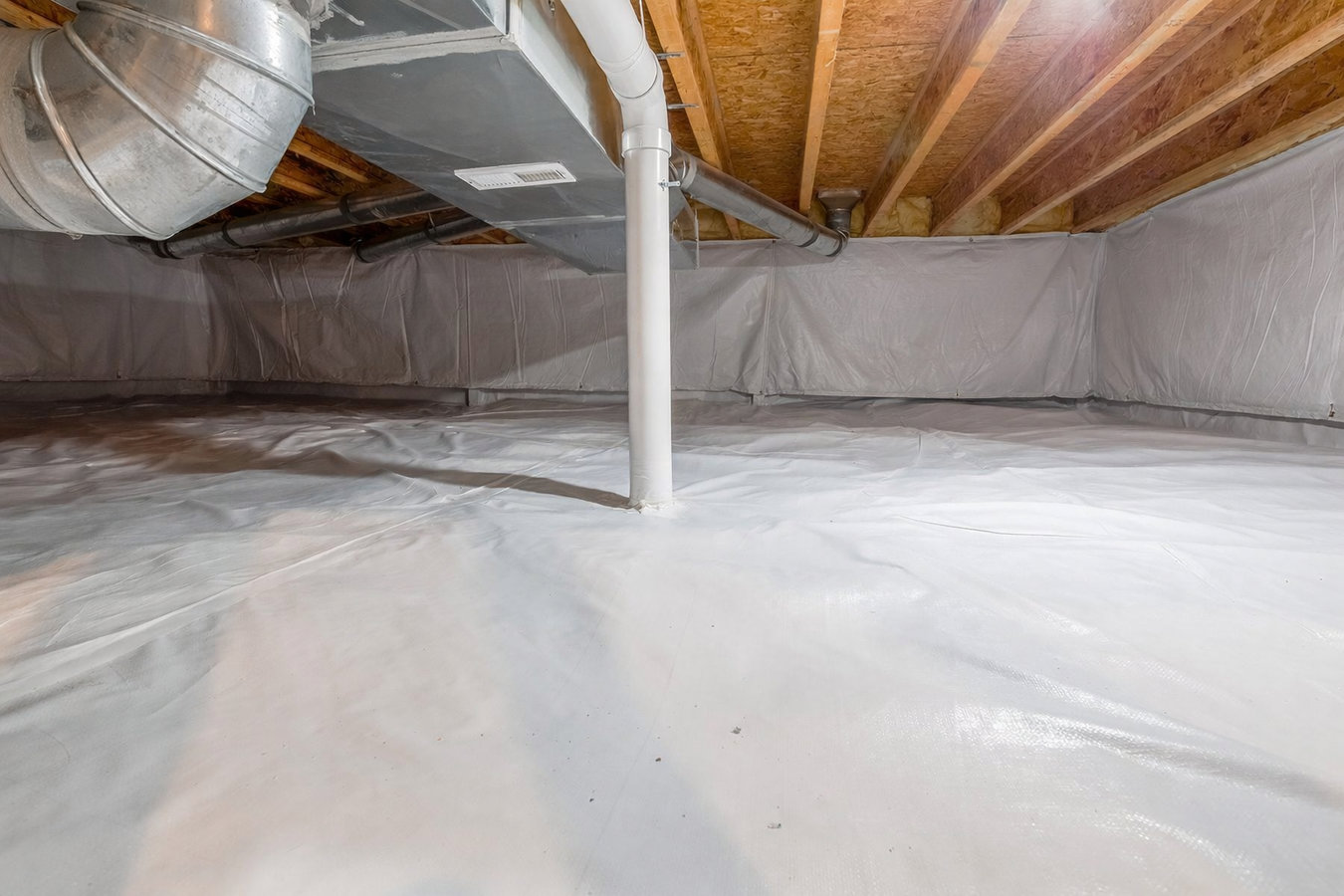
Crawl space vapor barrier installation in Grand Island blocks ground moisture from rising into your home by covering the crawl space floor with heavy-duty polyethylene sheeting - most jobs are completed in a single day for a standard home. Without it, moisture from the soil below works its way into your floors, framing, and air, causing problems you can smell long before you can see them.
Grand Island sits in the flat Platte River valley, where the water table in many neighborhoods is relatively close to the surface. That means moisture pressure is a real and recurring problem here - not just after heavy rain, but throughout the year. A vapor barrier is one of the most direct ways to address it, and pairing one with crawl space insulation gives you both moisture control and thermal protection in the same space.
These are the signs Grand Island homeowners notice most often before calling us.
A damp, earthy odor near floor level - especially in rooms directly above the crawl space - is almost always moisture-related. In Grand Island, where the water table is relatively high and summers are humid, that smell tends to get worse in late spring and early summer. It is one of the clearest signs that moisture is moving up from the ground.
Walk slowly across your floors and notice any spots that feel softer than they should, or that flex slightly when you step on them. This can mean the wood framing in the crawl space has been absorbing moisture for a long time. In older Grand Island homes built without moisture protection, this kind of damage is more common than most homeowners expect.
If your windows fog up on the inside during summer, or your home feels sticky and damp even with the air conditioning running, excess moisture from the crawl space may be contributing. Ground moisture that rises unchecked can raise the humidity level throughout the entire house. A vapor barrier cuts off that source at ground level.
If your energy bills have crept up without a clear reason, crawl space moisture may be part of the story. Damp air under your home is harder to heat and cool than dry air, making your HVAC system work harder than it should. After a wet Nebraska spring, this effect becomes especially noticeable on monthly utility statements.
Every job starts with an in-person assessment of your crawl space. We check the condition of the ground, any existing material, moisture levels, and how easy the space is to access. A good installation uses heavy-duty polyethylene sheeting - not the thin plastic sold at hardware stores - with seams overlapped by at least a foot and sealed securely. We run the barrier up the foundation walls and fasten it in place to create a complete seal, not just a flat sheet on the floor. If you also need vapor barrier installation in other parts of the home, we can assess and address those areas in the same visit.
When debris needs to be cleared before the barrier goes in, or when the existing space requires prep work, we handle that as part of the project. We will be straightforward about what your crawl space needs and what it will cost before any work begins. If your space would also benefit from pairing the barrier with crawl space insulation, we can combine both services in a single project to give you complete moisture and thermal protection.
Suits most Grand Island homes with dirt-floor crawl spaces - complete floor coverage with sealed seams and wall termination.
Best for older homes or crawl spaces that have never been treated - we clear the space before the barrier goes in.
Ideal when you want both moisture control and thermal protection handled in a single project.
Grand Island sits on the flat Platte River valley floor, and the water table in many neighborhoods is relatively close to the surface. After a wet spring or a heavy rain event, that moisture does not have far to travel before it starts pushing up through the soil under your home. Nebraska's dramatic seasonal temperature swings - summer highs well above 90 degrees and winter lows far below zero - cause the ground to expand and contract, which creates new pathways for moisture to enter a crawl space. Homeowners in Grand Island often notice crawl space problems getting worse after a particularly harsh winter or a wet spring thaw.
Many homes in Grand Island's established neighborhoods were built before the 1980s, before vapor barriers were standard in construction. If your home is more than 40 years old and has never had a barrier installed, the crawl space has likely been accumulating moisture for decades. That history shows up as musty odors, soft flooring, and higher energy bills. Homeowners in Hastings and Kearney face the same conditions across the Platte River valley, and our team serves the full region.
A straightforward process with no surprises - from your first call to a drier home.
We ask a few basic questions - the size of your home, what problems you have noticed, and whether anyone has looked at the crawl space recently. We schedule an in-person visit and reply within 1 business day.
We go into the crawl space and look at the current condition of the ground, framing, and any existing moisture protection. This visit takes 30 to 60 minutes, and we walk you through what we found without pressure.
You receive a written estimate spelling out exactly what will be done, what materials will be used, and the total cost. If a permit is required, we include that in the estimate and handle the filing ourselves.
The crew lays the barrier across the entire floor, overlaps and seals the seams, and runs it up the foundation walls. Most jobs finish in a single day. We walk you through the completed work before we leave.
Free estimate. Written quote. No pressure. We reply within 1 business day.
(308) 403-0467Every job starts with a real crawl space inspection - not a phone quote. We go under the house, look at what is there, and give you an honest assessment of what your specific space needs. You will never be quoted for work that is not necessary.
Every vapor barrier job ends with a written record of what we installed and a walkthrough of the finished space. That documentation gives you a clear point of reference if you ever sell the home or need to check the work down the road - and shows exactly what materials went in and where.
We install thick, heavy-duty polyethylene sheeting rated for long-term crawl space use - not the thin material that tears within a few years. The difference matters in Nebraska's demanding climate, where the barrier needs to hold up through decades of temperature swings and seasonal moisture pressure.
We serve homeowners across Grand Island and 11 surrounding communities, from Kearney to Norfolk. Our crew knows the soil conditions, housing stock, and seasonal moisture patterns across this part of Nebraska - because we work here every week, not just occasionally.
Every vapor barrier job we install is backed by a clear written scope of work and a walkthrough when we are done. You will know exactly what was installed and why - so you are never left guessing whether the work was done right.
Full vapor barrier installation for crawl spaces and basement floors - protecting every below-grade surface in your home.
Learn moreAdd thermal protection to your crawl space alongside moisture control for a complete solution in one project.
Learn moreSpring thaw season is the busiest time of year - reach out now to lock in your installation date before the wet season hits.