Retrofit Insulation
After sealing attic gaps, adding blown-in insulation brings your home up to current R-value standards for Nebraska winters.
Learn more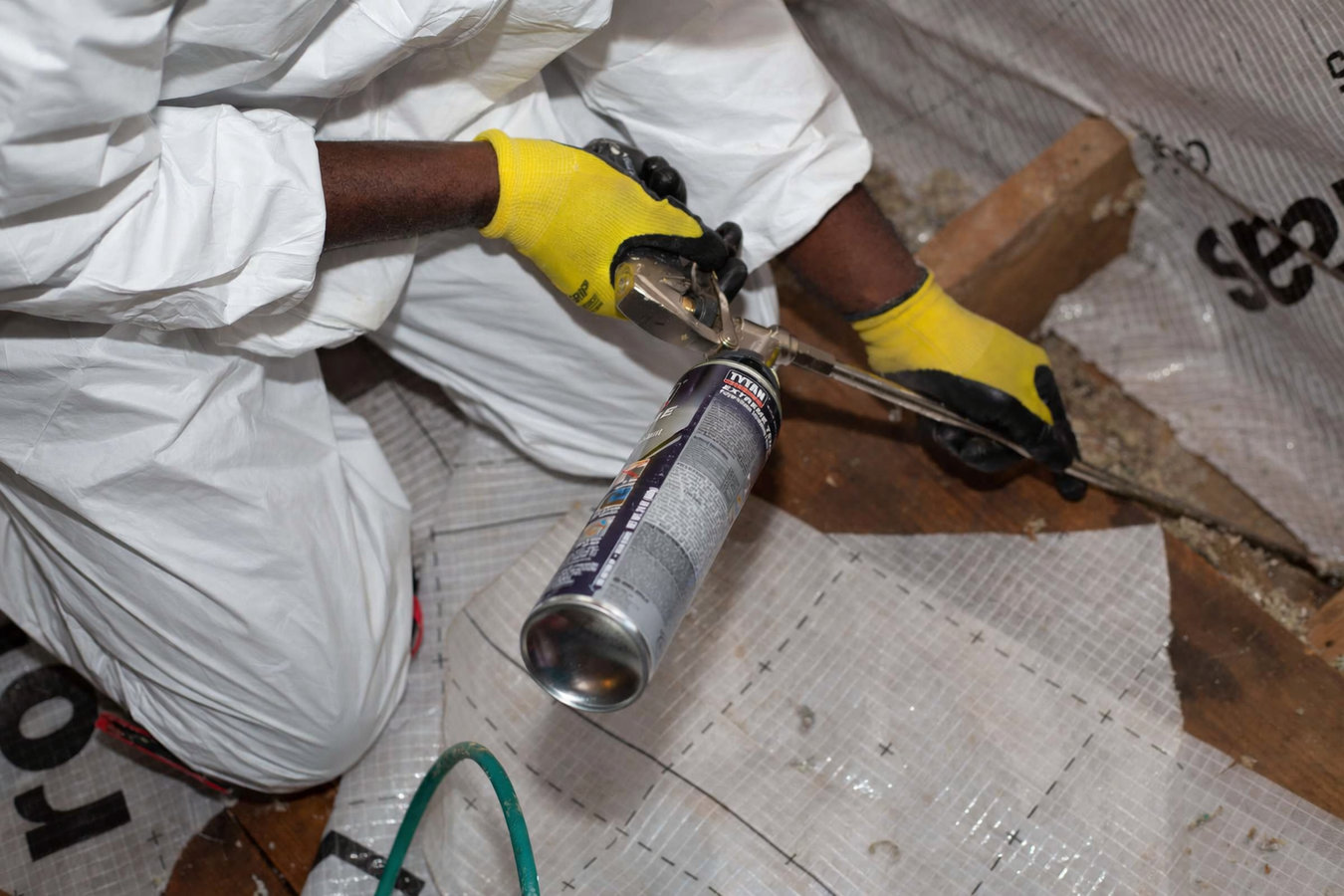
Your attic floor is full of invisible gaps that let heat escape all winter and push hot air down all summer. We seal every one of them so your furnace stops working overtime and every room in your home actually stays comfortable.
Attic air sealing in Grand Island means finding and plugging the gaps in your attic floor that let heated or cooled air escape from your living space - most jobs are completed in a single visit of two to six hours with no need for you to leave your home. The attic floor is full of openings created during construction: around light fixtures, plumbing pipes, electrical wires, and the tops of interior walls. Sealing these spots is often more effective at cutting energy bills than adding more insulation alone, because insulation only slows heat transfer while gaps allow air to move freely.
Grand Island homes built before the 1980s were constructed without the air barriers used in modern building practice. Decades of settling, remodeling, and added wiring have created new gaps over time. If your home is more than 30 years old and has never had an energy assessment, there is a strong chance the attic floor has significant unsealed openings.
Attic air sealing works best when combined with retrofit insulation to bring your attic up to current R-value recommendations, or with our broader air sealing services that cover the basement and living areas as well.
If your energy bills have gone up over the past few winters without any change in your habits, air leaking through your attic floor is one of the most common culprits. Grand Island's heating season runs from November through March, and even moderate air leakage adds hundreds of dollars a year to your utility costs. If your bill feels out of proportion to the size of your home, the attic is a good place to start.
If a bedroom or hallway directly below the attic is noticeably colder than the rest of the house in January - even with the heat running - warm air is likely escaping through the attic floor above it. Grand Island winters are cold enough that this temperature difference is hard to ignore. It is not a furnace problem; it is a sealing problem.
Ice dams - the ridges of ice that build up at the edge of your roof after a snowfall - form when warm air escapes through the attic and melts snow unevenly. Grand Island gets enough winter precipitation and cold temperatures for ice dams to be a real concern, and they can damage your roof and gutters if left untreated. Unsealed attic gaps are almost always part of the cause.
Older homes in Grand Island were built before air sealing was part of standard construction practice. If your home has not had a professional energy assessment in the last decade - or ever - there is a strong chance the attic floor has significant gaps that have never been addressed. The age of the home alone is a reasonable reason to have it checked.
We start with a thorough attic assessment to map every penetration in the attic floor before any sealing begins. That includes recessed light cans, plumbing vent stacks, electrical wiring chases, the tops of interior partition walls, and the attic access hatch itself - all common sources of significant air movement in Grand Island homes. We use expanding spray foam for larger openings and caulk or acoustical sealant for smaller ones. Every job includes a check that attic ventilation through soffit and ridge vents remains intact so the space continues to breathe properly. For homeowners who want the attic addressed as part of a full-home effort, our air sealing services extend the same approach to the basement rim joists and other key zones.
Sealing first, then insulating, is the right order of operations - and we coordinate both services. If your attic also needs more insulation depth after the sealing work, our retrofit insulation service can be scheduled in the same visit or as a follow-on appointment, depending on the scope. We give you a written estimate that breaks out each portion so you can decide what to do and when.
Best for homes where high heating bills and drafty upper rooms are the main complaint.
Best for any home where the access hatch has never been insulated or weatherstripped.
Best for Grand Island homes below the recommended R-49 to R-60 attic insulation level.
Best for older homes that need attic, basement, and living-area gaps addressed in one project.
Grand Island sits in a climate where winter lows regularly drop below zero and summer highs push past 95 degrees - a swing of more than 100 degrees between seasons. That means your heating and cooling systems are working at full effort for much of the year, and every gap in your attic floor costs you money in both directions. The city also experiences sustained winds that rank among the higher averages in the continental United States, and wind pressure pushes outside air through every crack it can find. Even small attic gaps that might not matter in a calmer climate cause noticeable drafts and energy loss in a Grand Island home. Homeowners here tend to see faster payback on air sealing than those in milder climates because the savings accumulate through both heating and cooling seasons. Homeowners in Kearney and Hastings face the same climate conditions and benefit from the same work.
A significant share of Grand Island homes were built before the 1980s in neighborhoods that developed along the original railroad grid near downtown. These homes were not designed with air sealing in mind, and decades of settling plus remodeling have opened additional gaps around original plumbing and wiring. According to the U.S. Department of Energy, sealing air leaks and adding insulation together can cut heating and cooling costs meaningfully for a typical home - and in a climate like Nebraska, that savings adds up fast. Nebraska Public Power District also periodically offers rebates for qualifying air sealing and insulation projects; asking your utility provider before scheduling work can reduce your out-of-pocket cost.
When you reach out, we ask a few basic questions about your home's age and any problems you have noticed - high bills, drafty rooms, ice at the roofline. We respond within 1 business day and schedule an in-home visit with no obligation.
A technician enters your attic through the access hatch, checks how much insulation is there, identifies every penetration that needs sealing, and checks that attic ventilation is intact. The visit takes 30 to 60 minutes, and we walk you through what we found before we leave.
We work across the attic floor, sealing every gap - around light fixtures, pipes, electrical wires, and the tops of interior walls - using expanding foam for larger openings and caulk for smaller ones. Most jobs are complete in two to six hours.
When the work is done, we walk you through what was sealed and answer any questions. If insulation was disturbed during the process, we put it back in place. We also share information on any utility rebates or tax credits that may apply to your project.
Free in-home assessment. Written estimate. No obligation. We respond within 1 business day.
(308) 403-0467A large share of homes in Grand Island were built before modern air barrier standards existed. We know where the gaps hide in these homes - around original plumbing chases, at the tops of interior walls, and beside attic hatches that were never properly sealed.
Every estimate starts with an in-home visit. We look at your attic before giving you a number, because a phone estimate without seeing the space is just a guess. There is no charge for the assessment and no obligation to proceed.
We work across central and eastern Nebraska, from Grand Island to Kearney, Hastings, and beyond. That regional experience means we understand how local construction eras and climate conditions shape what each job requires.
We are familiar with Nebraska Public Power District energy efficiency programs and federal tax credits for air sealing work. We let you know what documentation you need before we leave so you can claim available savings without chasing paperwork later.
We are a local contractor focused on the specific conditions that make air sealing so valuable in central Nebraska - cold winters, persistent winds, and an older housing stock that was never built with air barriers in mind. When we leave, you will know exactly what was sealed, why, and what to expect on your next utility bill. The Building Performance Institute sets the standards we follow for home energy work.
After sealing attic gaps, adding blown-in insulation brings your home up to current R-value standards for Nebraska winters.
Learn moreA whole-house air sealing approach that covers the attic, basement rim joists, and all major penetrations in one visit.
Learn moreGrand Island temperatures drop fast - locking in your appointment now means you start saving from day one of winter. Call us or request a free estimate online.