
Basement Insulation
Insulate and seal your basement to eliminate drafts and cold floors coming up from below.
Learn more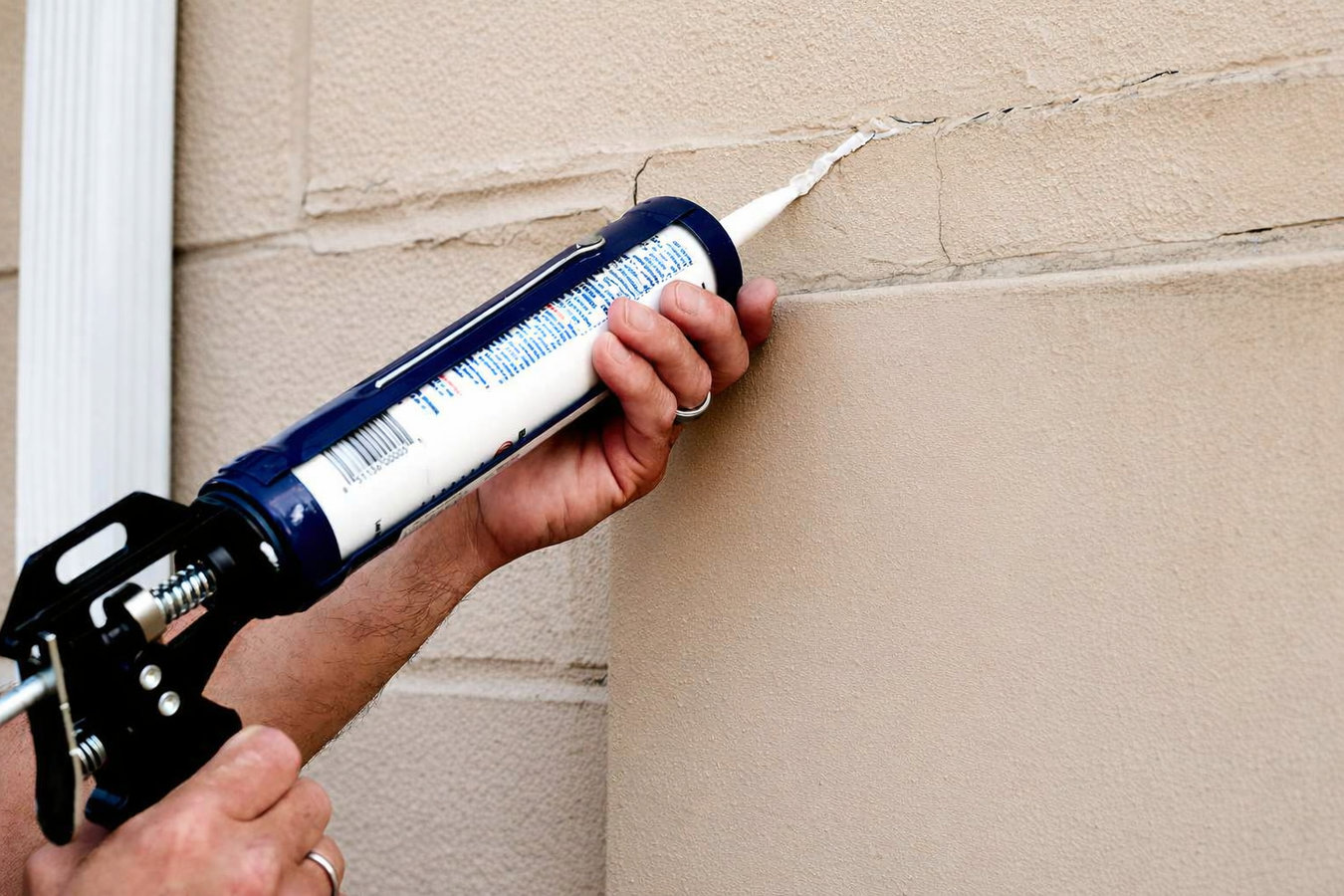
Insulation slows heat - but gaps let cold air in no matter how thick your insulation is. We find every leak with a blower door test and seal them so your furnace actually keeps up with a Nebraska winter.
Air sealing services in Grand Island, NE find and close the hidden gaps in your home where outside air sneaks in and conditioned air leaks out - most jobs run a full home assessment with a blower door test and complete the sealing work in a single day. Insulation slows heat transfer, but air leaks are a separate problem that insulation alone cannot solve. When both issues exist in the same home - and they almost always do in Grand Island's older housing stock - addressing both in the same visit gives the biggest improvement for the lowest combined cost.
Grand Island sits in a climate zone with genuine winters and hot summers, and the city's older homes were built without modern air barriers. Decades of settling have opened additional gaps in framing, around pipes, and at the attic floor. Those gaps are why your furnace works so hard and why some rooms never quite get comfortable even when the thermostat is set right.
Air sealing is most effective when paired with basement insulation and attic air sealing in a whole-house approach, since attics and basements are where the largest air leaks almost always live.
If your gas or electric bill climbs sharply in the coldest months without any change in your habits, air leakage is one of the most common explanations. Your furnace is working overtime to replace warm air that is quietly escaping through gaps in your attic, basement, and walls. This is one of the clearest financial signals that air sealing would pay for itself quickly.
Nebraska's persistent winds are a reliable diagnostic tool. If you notice a chill near your baseboards, along the floor of a room that shares a wall with the outside, or in corners during a windy day, outside air is finding a path in. These drafts are evidence of gaps that cost you money every hour your furnace runs.
When the attic is not properly sealed from the living space below, heat and cold transfer much more easily between the two. If your upstairs bedrooms feel like a different climate from the rest of the house, the boundary between your attic and living area is likely leaking air in both directions - one of the most common complaints in older Grand Island homes.
When warm, moist indoor air leaks into a cold attic or wall cavity, it condenses and can freeze. If you see frost on the underside of your roof deck in winter, or persistent condensation on interior walls near the ceiling, air is moving through gaps it should not cross. Left unaddressed, this moisture leads to mold and structural damage that is expensive to fix.
We use a whole-house approach that starts with a blower door test to measure how much air your home is leaking and find where the gaps are located. The test depressurizes the house and makes even small leaks easy to detect. From there, we work systematically through the attic, basement, and living areas - applying spray foam, caulk, or weatherstripping depending on the surface and gap size. The attic floor is almost always the highest-priority zone, followed by basement rim joists and any penetrations where pipes, wires, or ducts pass through ceilings and floors. For homeowners who want focused work on the attic alone, our attic air sealing service covers that zone in depth.
Air sealing pairs naturally with insulation upgrades - sealing the gaps first, then adding insulation, gives you a complete thermal envelope rather than insulation sitting over leaks. We coordinate both services when needed. If your basement needs both insulation and air sealing along the rim joists and perimeter, our basement insulation service handles the full scope in one visit.
Best for any homeowner who wants to know exactly how leaky their home is before committing to any work.
Best for homes where the biggest comfort complaints are upstairs rooms and high winter heating bills.
Best for homes with cold floors, drafty basements, and gaps along the top of the foundation wall.
Best for older Grand Island homes that have never had a systematic air barrier treatment from attic to basement.
Grand Island experiences extreme temperature swings - summer highs past 95 degrees and winter lows well below zero. That wide range means the wood framing, drywall, and concrete in your home expand and contract repeatedly each year, gradually opening up small gaps and cracks that were not there when the home was built. The open plains geography makes this worse: Grand Island sees frequent sustained winds that push outside air through gaps that would barely matter in a calmer climate. Homeowners here notice drafts and cold spots most acutely on windy days in January and February - and that is exactly when a well-sealed home feels dramatically different from a leaky one. A significant share of Grand Island's residential neighborhoods were built before the 1980s, when energy efficiency simply was not a priority in construction, meaning many homes have had no air sealing work done in their entire history.
The U.S. Department of Energy estimates that sealing and insulating a home can cut heating and cooling costs by up to 20 percent - and in Nebraska's climate, savings compound across both a long heating season and a hot summer. We serve homeowners across the region, including Columbus and Norfolk where the same older housing stock and plains wind conditions drive the same air leakage problems.
When you reach out, we ask a few basic questions about your home's age, square footage, and what problems you have noticed - high bills, drafty spots, uncomfortable rooms. We respond within 1 business day and schedule an in-home assessment without any obligation.
A technician visits your home and runs a blower door test - a fan mounted temporarily in a doorway that measures exactly how much air your home is leaking and helps pinpoint where the gaps are. The test takes one to two hours and gives you a clear picture of your home before any work begins.
We work through your home starting in the attic and basement, where the largest leaks are almost always found, applying foam, caulk, or weatherstripping to each gap. Most of the work happens in spaces you do not use daily, so your routine stays largely undisturbed.
We run the blower door test again after the work is complete to confirm that air leakage has been meaningfully reduced. You get a number that shows how much your home improved - not just our word for it - plus a walkthrough explaining what was done and what to expect going forward.
We use a blower door test to show you the problem before any work begins. Free in-home estimate, no obligation, response within 1 business day.
(308) 403-0467We use a blower door test to measure your home's air leakage before and after the work. That means you have documentation of the improvement, not just a contractor's assurance. It is the only way to know the job actually made a difference.
We follow a systematic whole-house process that starts in the attic and basement - the two areas where air sealing delivers the biggest return. Spot caulking visible cracks does not address the unseeable gaps that account for most of your home's air loss.
A large share of homes in Grand Island were built before the 1980s without air barriers. We have worked in dozens of these homes and know where the gaps hide - along attic floor joists, around recessed lights, and at the basement rim joists - so nothing gets missed.
We come to your home, assess the situation, and give you a written estimate at no charge. Every call and form submission gets a response within 1 business day, because we know you are comparing your options and speed matters.
The Building Performance Institute sets the national standard for whole-house air sealing methodology, and we follow that systematic approach on every job. When you call Grand Island Insulation, you get a team that measures results rather than just billing for labor.
Insulate and seal your basement to eliminate drafts and cold floors coming up from below.
Learn moreThe attic-to-living-space boundary is the most critical air sealing zone in most Grand Island homes.
Learn moreCall or request a free estimate today. We respond within 1 business day and schedule your blower door assessment at no charge.